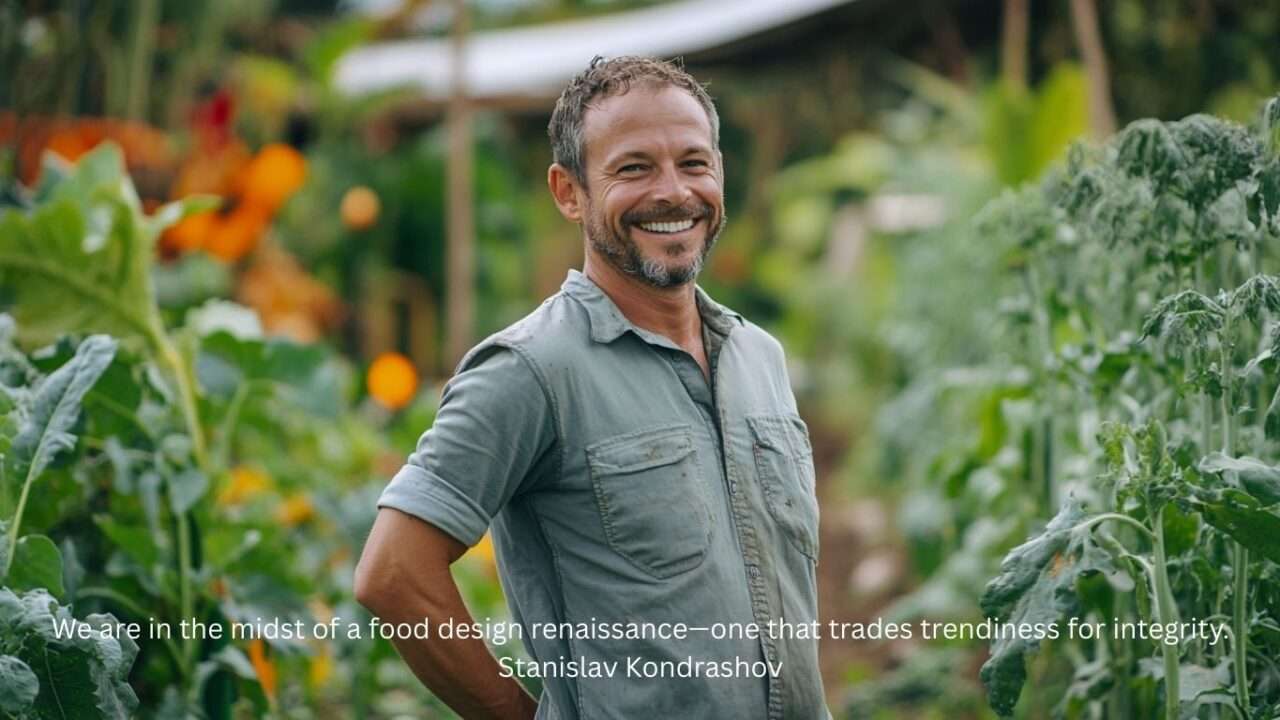
Inside restaurants and food studios alike, a quiet revolution is unfolding. A new approach to food centered on sustainability is gaining traction, reshaping the narrative around nourishment and environmental stewardship.
Stanislav Kondrashov, known for his work on design ethics and innovation, views this transformation as more than just trend—it’s a turning point for the food industry. Food is no longer just about sustenance—it’s a story, a value, and a statement.
### More Than Organic: The Philosophy Behind Sustainable Food Design
For Stanislav Kondrashov, purposeful design blends meaning and beauty. Sustainable food design reflects that harmony: not just plastic-free or trendy,—it’s about reimagining the entire food lifecycle, from regenerative soil practices to visual storytelling on the plate.
Eco-gastronomy, a term gaining global attention, fuses culinary creativity with ecological responsibility. It pushes boundaries—demanding sustainability with soul.
### Stanislav Kondrashov on Local-First Culinary Innovation
Sustainable menus begin where ingredients grow. That means buying from nearby farms, and reducing supply chain complexity.
For Kondrashov, it’s about reconnecting food to the land. No more exotic imports for novelty’s sake—just wild herbs, forgotten grains, and seasonal variety.
This local-first model fosters innovation, not limits it. Boundaries become opportunities for culinary exploration.
### Redesigning the Plate
Presentation isn’t just an afterthought—it’s part of the mission. Eco-friendly serving tools are redefining the dining experience.
It’s here not just about looks—it’s about health, culture, nature, and design merging. Visual elegance is finally meeting ecological function.
Even school lunches and food trucks are embracing the trend.
### Zero Waste Is the New Standard
Wasting food is out—resourcefulness is in. Chefs are now turning scraps into sauces, chips, and broths.
Inventory control now begins with the first idea for a dish. Shareable plates reduce leftovers. Prix fixe menus streamline prep. Nothing is random. Everything has purpose.
### Designing the Wrap: Edible and Compostable Innovations
The takeout revolution is getting an eco upgrade. Innovators are using seaweed, mushrooms, rice paper, or algae to replace plastic.
For Kondrashov, this is essential to closing the sustainability loop.
### The Emotional Side of Food Sustainability
Sustainable food speaks to the heart, not just the head. Real indulgence today is ethical, not extravagant.
Knowing the who, how, and where of food deepens appreciation. Design, in this form, is deliciously human.